Cricket Jersey Design: A Budget-Friendly Guide for UK Clubs
Learn cricket jersey design on a budget. Discover free tools, printing options, fabric choices, and common mistakes for UK amateur teams. Updated 2026.
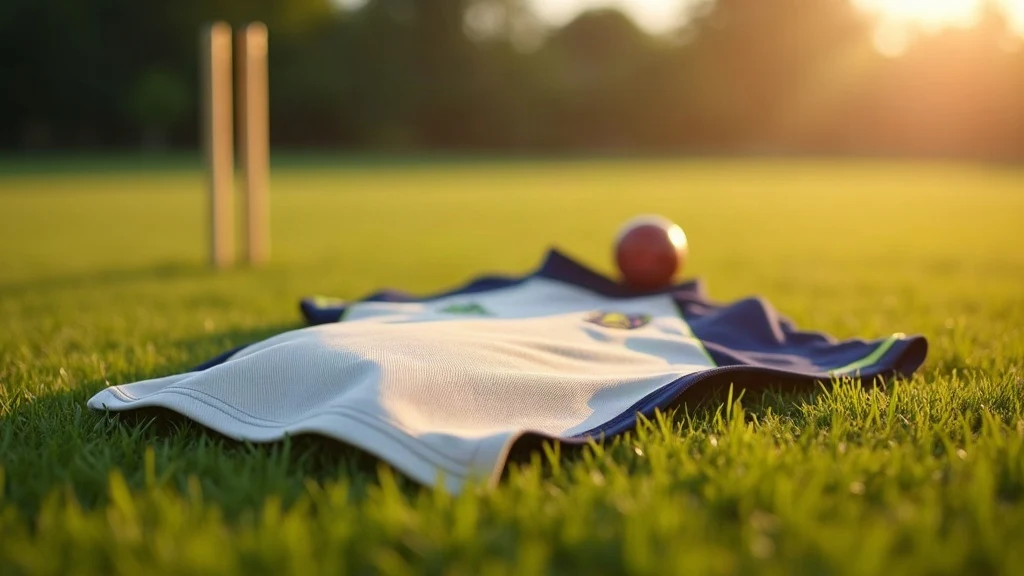
Cricket jersey design is the process of creating a custom playing shirt for a cricket team, balancing style, comfort, durability, and budget. For UK amateur clubs, a well-designed jersey can boost team identity and morale without breaking the bank.
Related reading: Discover our full guide on SG Cricket Kit Guide 2026: Price, Contents, Buying Tips.
Related reading: Discover our full guide on CCL Live Score 2026: How to Follow Matches Live.
Related reading: Discover our full guide on Box Cricket: Complete Guide to Rules, Pitch Size & Equipment.
- Use free tools like Canva or Adobe Express to create your design.
- Choose polyester or a polyester-spandex blend for breathability and stretch.
- Sublimation printing is best for full-colour designs at a low per-unit cost.
Cricket is more than a sport in the UK; it is a community tradition. From village greens to urban leagues, amateur teams carry the spirit of the game. A custom jersey is often the first thing opponents and supporters notice. Yet many clubs assume that professional-looking cricket jersey design requires a large budget and a graphic designer. That is no longer true.
With free design tools, affordable printing methods, and a little planning, any UK club can create a jersey that looks sharp and lasts for seasons. This guide walks you through the entire process, from choosing fabric to avoiding common pitfalls. Whether you are starting a new team or refreshing an old kit, these steps will help you get the most from your money.
Cricket Jersey Design: The Essential Checklist
Before you open any design software, take time to plan. A clear checklist prevents costly mistakes and ensures your cricket jersey design meets both practical and aesthetic needs. Start by answering these questions:
- What colours represent your club? Stick to two or three primary colours for a clean look.
- Where will the sponsor logo go? The chest and back are the most visible spots.
- Do you need player names and numbers? Decide early, as this affects printing costs.
- What is your budget per shirt? This determines the fabric and printing method.
According to the England and Wales Cricket Board (ECB), over 1 million adults play recreational cricket in England and Wales each year (ECB, 2023). With so many players, standing out matters. A thoughtful design can also attract sponsors and make your club look more professional.
As sports marketing expert Dr. Simon Chadwick notes, “A well-designed jersey is more than clothing; it’s a statement of identity that can unite a team and engage supporters.”
Free and Low-Cost Design Tools for Cricket Jerseys
You do not need expensive software to create a cricket jersey design. Several free and low-cost tools let you mock up your ideas in minutes. Canva and Adobe Express offer drag-and-drop templates specifically for sportswear. You can upload your club logo, adjust colours, and add text with ease.
For more control, try Inkscape or GIMP, both free and open-source. These tools allow vector editing, which is essential for crisp logos and text. If you prefer a dedicated sports kit designer, platforms like KitBuilder and SportXpress offer online configurators that generate a 3D preview of your jersey.
When using any tool, always export your design as a high-resolution PNG or PDF. A minimum of 300 DPI ensures that the print comes out sharp. Low-resolution files are a common reason why jerseys look blurry after printing.
Choosing the Right Fabric for Your Cricket Jersey
Fabric choice directly affects comfort, performance, and durability. Most modern cricket jerseys use polyester because it is lightweight, breathable, and dries quickly. A polyester-spandex blend adds stretch, which is ideal for bowling and fielding movements.
For hot summer matches, look for mesh panels or moisture-wicking technology. These features help players stay cool and dry. Avoid cotton, as it absorbs sweat, becomes heavy, and loses shape after repeated washes.
If your club plays in cooler conditions, consider a thicker polyester fabric or a jersey with a thermal layer. Many suppliers offer different fabric weights, so ask for samples before placing a bulk order. This small step can save you from buying jerseys that feel uncomfortable or wear out quickly.
Printing Options: Sublimation vs Screen Printing vs Embroidery
Once your cricket jersey design is ready, you need to choose a printing method. Each option has its own strengths and cost implications. The table below compares the three most common methods for amateur teams.
| Method | Best For | Durability | Cost per Shirt |
|---|---|---|---|
| Sublimation | Full-colour, all-over designs | Excellent; colours never crack or fade | £15–£25 |
| Screen Printing | Simple logos and numbers | Good; can crack over time | £8–£15 |
| Embroidery | Club crests and sponsor logos | Very high; withstands washing | £10–£20 |
Sublimation is the most popular choice for cricket jerseys because it prints directly into the fabric, so there is no added weight or peeling. Screen printing is cheaper but works best for designs with few colours. Embroidery adds a premium feel but is usually reserved for small logos on the chest or collar.
For a full kit, many clubs combine methods: sublimation for the main body and embroidery for the club crest. This approach balances cost and quality.
Common Mistakes to Avoid in Cricket Jersey Design
Even with a solid plan, teams often make avoidable errors. Here are the most frequent pitfalls and how to steer clear of them.
- Ignoring the colour contrast – Light text on a light background is hard to read. Always check contrast between the jersey base and the numbers.
- Using too many fonts – Stick to one or two fonts for a clean, professional look.
- Forgetting the sponsor’s requirements – Sponsors often have specific size and placement rules. Confirm these before finalising the design.
- Ordering without a sample – Always request a physical sample before bulk ordering. Colours on screen can look different in real life.
- Overlooking sizing – Cricket jerseys should fit loosely enough for movement but not baggy. Provide a size chart and ask players to measure themselves.
Avoiding these mistakes will save you time, money, and frustration. Remember that a simple, well-executed design always beats a cluttered one.
How to Order Your Cricket Jerseys in Bulk
Once your cricket jersey design is final, it is time to order. Most UK suppliers require a minimum order of 10 to 20 jerseys, but some offer smaller quantities for new teams. Compare quotes from at least three suppliers and ask about turnaround times.
During peak season (April to August), production can take 3 to 4 weeks. Plan ahead and order at least six weeks before your first match. If you need jerseys quickly, some companies offer express printing for an extra fee.
When you receive the jerseys, check one or two for quality. Look at the stitching, print alignment, and colour accuracy. If anything is off, contact the supplier immediately. Most reputable companies will fix errors at no charge.
For more tips on team sports and equipment, explore our Insights category or visit the Digest 119 home page for daily dispatches.
Frequently Asked Questions
How much does it cost to design a cricket jersey?
Designing a cricket jersey can cost nothing if you use free tools like Canva. Printing costs typically range from £8 to £25 per shirt depending on the method and quantity. Bulk orders reduce the per-unit price.
What is the best fabric for a cricket jersey?
Polyester or a polyester-spandex blend is the best choice. These fabrics are lightweight, breathable, and moisture-wicking, which keeps players comfortable during long matches. Avoid cotton as it absorbs sweat and loses shape.
Can I design a cricket jersey for free?
Yes. Canva and Adobe Express offer free templates for sportswear design. You can upload your logo, choose colours, and add text without any cost. For more advanced editing, free tools like Inkscape and GIMP are also available.
How long does it take to get custom cricket jerseys?
Standard production usually takes 3 to 4 weeks during peak season. Express services can deliver in 7 to 10 days for an additional fee. Always order at least six weeks before your first match to avoid delays.
Updated 2026
Next story

Nature Trails Near Me: Find and Choose the Best Local Trails
Find nature trails near me with this guide. Learn to search for local trails, pick beginner-friendly routes, read trail maps, and pack for a short walk.