
Nature Trails Near Me: Find and Choose the Best Local Trails
Find nature trails near me with this guide. Learn to search for local trails, pick beginner-friendly routes, read trail maps, and pack for a short walk.
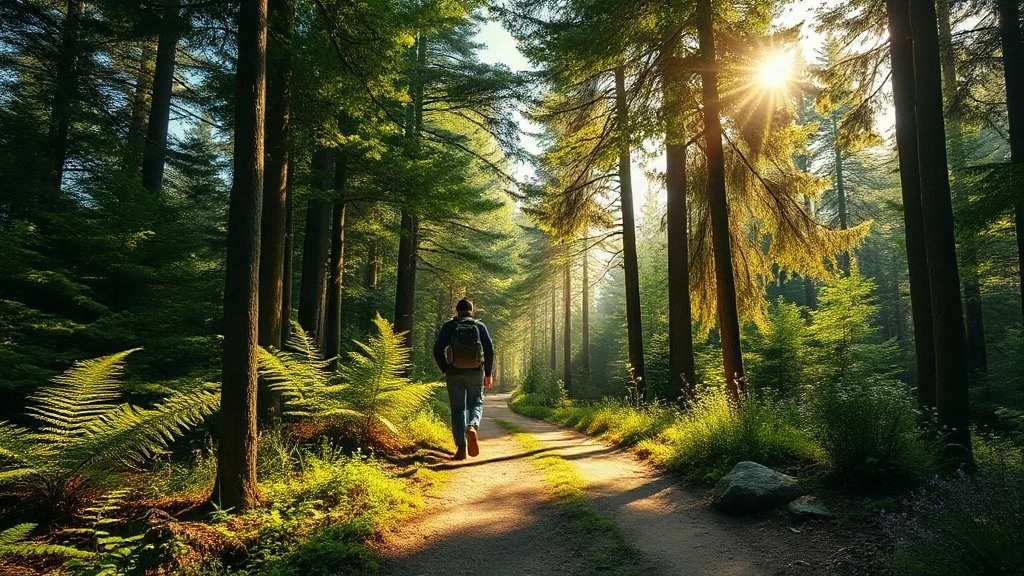
Nature trails near me are local walking paths through parks, forests, or green spaces that let you enjoy the outdoors without traveling far. They range from flat, paved loops to gentle dirt paths, and many are short enough for a casual family walk.
nature trails near me
- Use trail-finder apps and local park websites to locate trails within a short drive.
- Look for trails rated "easy" with minimal elevation gain and clear signage.
- Pack water, sturdy shoes, and a simple trail map before you head out.
Finding a good nature trail near you doesn't require a long drive or advanced planning. With the right search tools and a few simple criteria, you can be on a peaceful path in under an hour. This guide covers how to locate local trails, what makes a route beginner-friendly, and how to prepare for a short walk with family or friends.
Whether you live in a city or a small town, green spaces and park systems almost always hide a few walkable trails. The key is knowing where to look and what to check before you go. Below, we break down the entire process so you can pick a trail that matches your fitness level and your group's needs.
How to Find Nature Trails Near You
The fastest way to find nature trails near you is to combine a trail-finder app with your local parks department website. Apps like AllTrails and Hiking Project let you filter by distance, difficulty, and length, and they show user reviews and photos from recent visitors.
Start by opening your map app and searching for "nature trails" or "hiking trails" in your area. Many local governments list official trail networks with maps and difficulty ratings on their parks pages. You can also check state park websites, which often publish downloadable trail guides.
For a more personal recommendation, ask neighbors, local running clubs, or community Facebook groups. Word of mouth often reveals hidden gems that don't show up in search results. If you want a quick, reliable starting point, open AllTrails and browse the map near your home.
Open AllTrails to find trails near you
What Makes a Trail Good for Beginners?
A beginner-friendly trail is short, relatively flat, well-marked, and has a firm surface that is easy to walk on. Look for trails rated "easy" on apps or park websites, which usually means less than 300 feet of elevation gain and a distance under 3 miles.
Paved or gravel paths are ideal for families with strollers or people with limited mobility. Dirt paths are fine too, but check for roots and rocks that could cause trips. Clear signage at junctions and a loop shape (instead of an out-and-back) make navigation simpler and reduce the chance of getting lost.
Before you commit, read recent reviews to see if the trail is overgrown, muddy, or crowded. A trail that is easy on paper can become challenging if conditions are poor. When in doubt, choose a shorter route and turn back if anyone in your group feels tired.
How to Read a Trail Map
Reading a trail map starts with understanding the legend, which explains symbols for trail difficulty, water sources, restrooms, and parking areas. Most park maps use color-coded lines: green for easy, blue for moderate, and black for difficult.
Pay attention to the scale and contour lines. Contour lines that are close together indicate steep terrain, while widely spaced lines mean gentle slopes. If you see a loop symbol, you can follow the trail in a circle without backtracking. For out-and-back trails, note the turnaround point and any shortcuts.
Always carry a physical map or a downloaded offline version on your phone. Cell service can disappear in wooded areas, and a paper map never runs out of battery. Our national park map guide explains how to read topographic maps in more detail.
What to Pack for a Short Nature Walk
For a 1 to 3 mile nature walk, you only need a few essentials: water, a snack, sturdy shoes, sunscreen, and a small first-aid kit. A lightweight daypack keeps your hands free and makes it easy to carry layers if the weather changes.
Wear shoes with good grip, even on easy trails. Sneakers work for paved paths, but trail runners or hiking shoes provide better traction on dirt and gravel. Bring a hat and apply insect repellent if you are walking in the morning or evening.
Check the weather forecast before you leave and pack a rain jacket if there is any chance of showers. A whistle and a fully charged phone are smart additions, especially if you are walking alone. For a deeper look at gear and preparation, check our hiking books for beginners guide.
How to Choose the Right Trail for Your Family
When choosing a trail for kids or older adults, prioritize distance, shade, and nearby facilities. A 1 mile loop with benches and a restroom at the trailhead is ideal for young children, while a 2 mile path with gentle slopes works well for active seniors.
Look for trails that pass by water features, like streams or ponds, to keep kids engaged. Check if the trail allows dogs if you plan to bring a pet. Also, confirm that the parking area is close to the trailhead so you do not have to walk far before the actual hike begins.
If you are unsure, start with a very short trail and extend the walk if everyone is enjoying it. Many parks have multiple loops that connect, so you can add distance as your family's confidence grows. The goal is to make the experience positive, not exhausting.
Safety Tips for Nature Trails
Safety on a nature trail starts with telling someone where you are going and when you expect to return. Stick to marked trails and avoid shortcuts, which can lead to erosion or dangerous terrain. Carry a map and a compass or GPS device, even on short walks.
Be aware of wildlife and keep a respectful distance. In many regions, that means storing food properly and making noise to avoid surprising animals. Check for ticks after your walk and remove them promptly if you find any.
If you are walking in hot weather, start early and take frequent breaks in the shade. In cold weather, dress in layers and protect your extremities. Always carry more water than you think you need, and never rely on a stream or lake for drinking water without purification.
"In every walk with nature one receives far more than he seeks." - John Muir, naturalist and author
Frequently Asked Questions
How do I find nature trails near me?
Use trail-finder apps like AllTrails or search your local parks department website. Filter by distance and difficulty, and read recent reviews to confirm trail conditions before you go.
What is the easiest type of trail for beginners?
Paved or gravel loop trails under 2 miles with minimal elevation gain are easiest. Look for trails rated "easy" on park websites and avoid routes with steep climbs or rocky sections.
How long should a beginner nature walk be?
Start with a 1 to 2 mile walk, which takes about 30 to 60 minutes at a relaxed pace. This is long enough to enjoy nature without causing fatigue or discomfort.
Do I need special gear for a nature trail?
No, but sturdy shoes, water, and a small first-aid kit are essential. For longer or rougher trails, consider hiking poles and a daypack with extra layers.
Are nature trails safe for kids?
Yes, if you choose a short, well-marked trail with easy terrain. Keep children close, bring snacks and water, and take breaks often. Check for hazards like poison ivy or steep drop-offs before letting kids run ahead.
Next story
National Park Map Guide: How to Read and Use It (2026)
A practical national park map guide for beginners: what NPS maps show, how to read trail and road symbols, and how to plan a trip in 2026.